ethansite

-> projects

various projects at various stages

figures

between jeanie and i, i think our combined skill set could make some very good models and figures. ideas below:

  • bolero creatures from allegro non troppo
  • pointing man from the point
  • miku
  • over the garden wall
  • emmet otter (+jug band)
  • mad monster party

bus tracker

now that i live downtown (and want to drive as little as possible) i've been riding the bus a lot more. the transit app and google maps are certainly helpful, but sometimes all i need to know is when the bus will next be at the stop by my house


my image for this project is a little display that just shows when the next bus will arrive, much like the older next-train displays on the red line in boston. I think making it a split-flap display would be very fun, and is ultimately the goal, but i will make an LCD prototype first


thus far, i have thrown together a simple python script that pulls the publicly-available COTA protobuff data and identifies the next few buses and their time-to-arrival. I have also acquired an ESP32 dev board and pulled an old LCD out of my parts bin, and begun to program that. next step is to figure out how to process the protobuff data on-board the ESP32, then create the LCD layout and create a simple enclosure. once i have that working prototype, i will move on to making a split-flap display for it.

printing "knit" textures

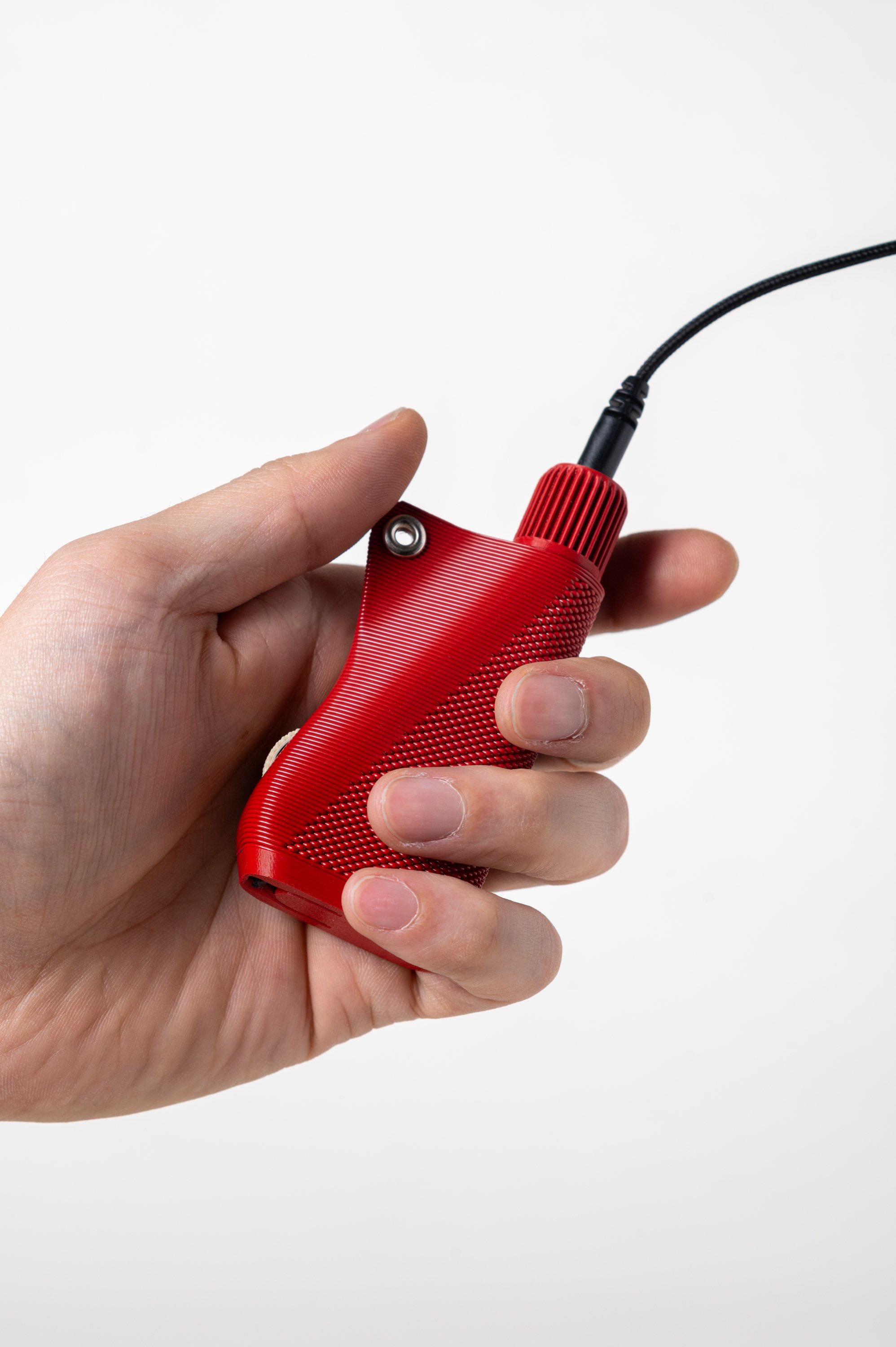
i recently saw this handheld radio on twitter, and quite liked the texture achieved using the very thick layer lines and bumpy outer surface. There are many tools online that can generate this sort of g-code, but most are only useful for "vase mode"-like objects.


in order to remedy this, i have started to create a python script which can alter existing g-code


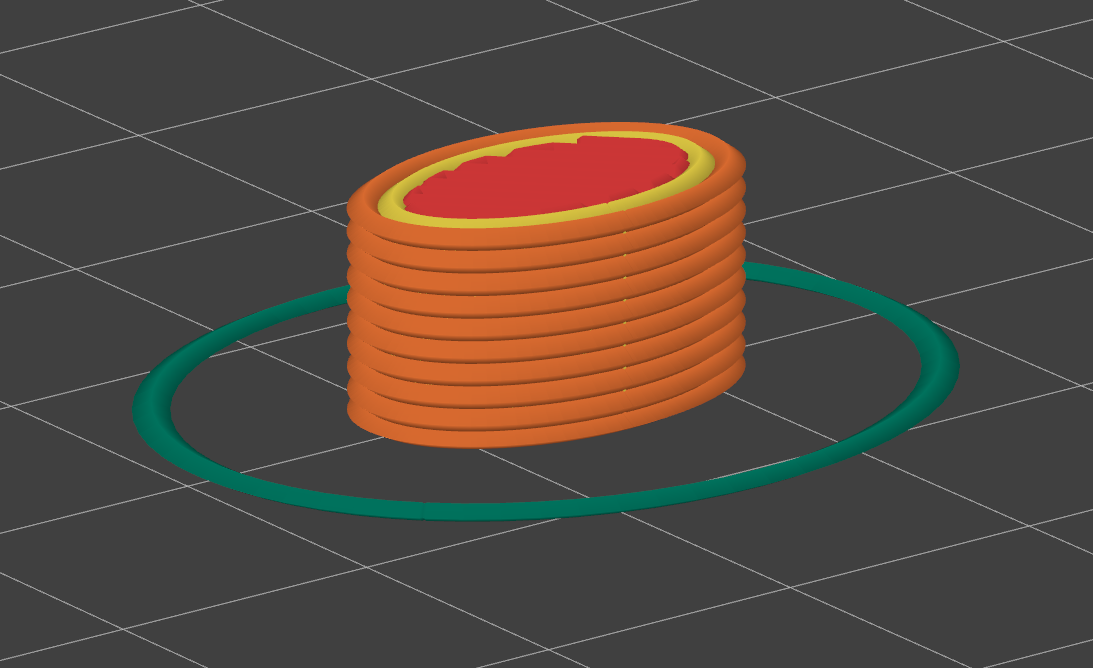
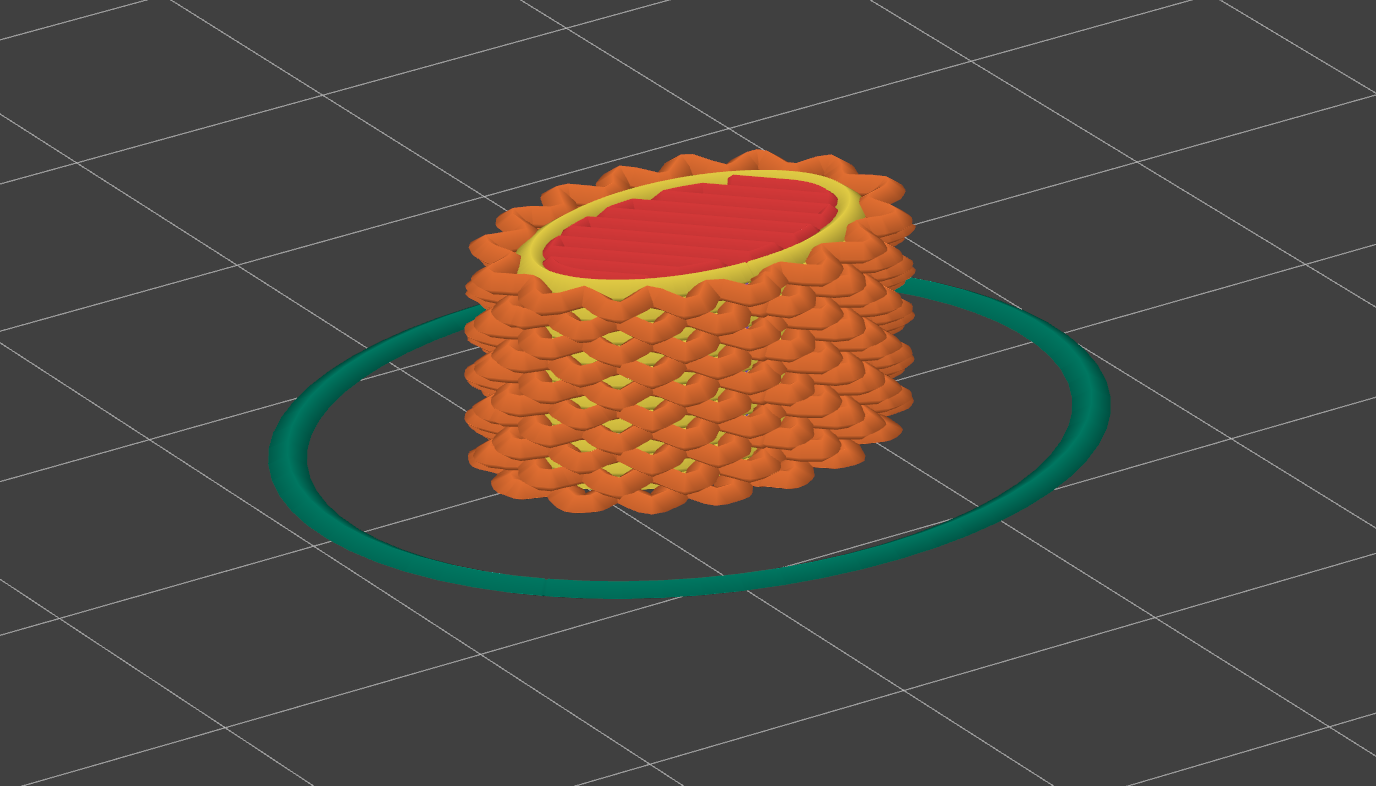
the general theory is that i can model an object in cad software of choice, then slice as normal for printing in prusaslicr. i can then run the python script, which will take the g-code and seperate it into individuals paths. from those paths, i can isolate the external perimeters (using prusaslicer's TYPE labels) and modify only them with a custom g-code texture


currently, the process is very limited. i can only do basic offsets and sine wave offsets, and more complicated geometries create weird artifacts. models with bridging, for example, seem to cause a lot of issue. i also have no way of distinguising identifying "a-surface" external perimeters from something like a screw hole

3d printed handheld radio with knit texture

新工芸舎 on twitter

slicer output of oblong cylinder slicer output of oblong cylinder, with bumpy walls

before and after

3d printing ideas

i think 3d printing is fun, though 3d prints are typically ugly. i'd like to experiment with various techniques to reduce the "3d printed look"

  • printing TPU in flat sheets, then sewing it together
  • heating+forming after printing to achieve difficult to print geometries